About
Bottom-up accountability across the divide: know where the people who represent you stand, and find out what people who disagree still agree on.
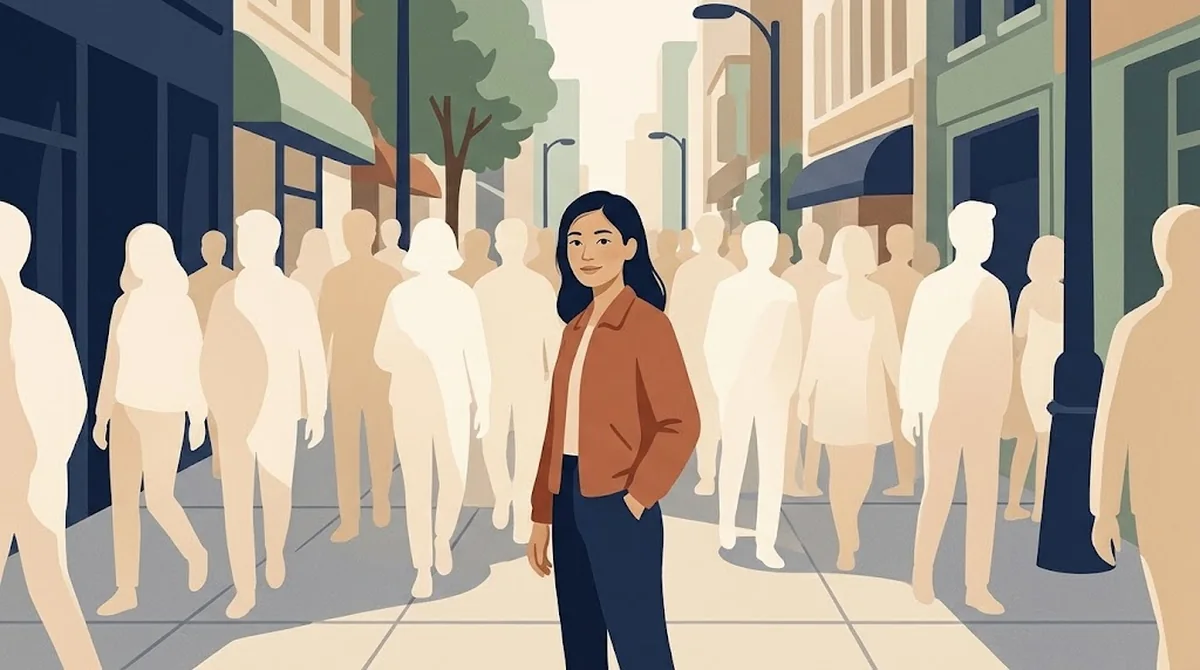
Why I’m The People exists
“We the People” is the first line of the country’s founding document, and somewhere along the way it stopped meaning anyone in particular. It became a phrase on a wall, invoked most often by the people who already hold the power, about the people who do not.
A crowd is easy to speak for, because a crowd cannot answer back. So this project starts from the other end: not what “the people” want, which nobody can honestly report, but what one person is actually willing to say and do. Change the word from plural to singular and the whole sentence changes with it.
Change starts closest to home
You don’t change government from the top down. The officials with the most effect on your daily life are often the ones who get the least attention. Accountability works from the bottom up, and it starts with knowing where the people who represent you actually stand, next to where you stand, on the record.
That is why the first thing I’m The People shows you is a record, not an opinion: how often each of your officials votes your way, how their record lines up with your values, and the votes behind every number.
The question we are asking
Set aside the slogans: what do people who disagree actually still agree on? And are the people who represent us voting for it?
We do not claim to know, and no AI gets to answer it for us. The only honest way to find out is to ask people who see things differently, in discussions where only what both sides find useful rises, and two at a time, and to write down what they discover. What two people confirm goes on the public Common Ground page. What a district agrees on goes to its officials, signed across the spectrum.
What we believe
- You can only speak for yourself, and that is enough.
- A person is harder to hate than a category.
- A record is fairer than a rumor.
- You can hold your convictions firmly and still listen well to someone else’s.
- Shared ground is a place to begin, not a reason to pretend the disagreements are not real.
Where it starts
With Congress, everywhere in the country. Then Salt Lake County, with its city councils, county and school boards, before we go city by city.
What this is not
Not a party, not a candidate, not a side. Not a movement looking for members. Nothing to buy or donate to. The unit is one person, which is the whole argument.
Read more
The blog covers what the research says about polarization and how to talk with someone you disagree with. The glossary defines the terms.
Get involved
Have a question or an idea? Get in touch. Or join and see where the people who represent you stand.